
The Hidden SEO Benefits of Building Faster Websites in 2026
Website speed is no longer just a performance metric—it is a core ranking and conversion factor. In 2026, search engines and users both expect websites to load instantly, behave smoothly, and deliver content without friction.
While most businesses understand that faster websites “feel better,” many underestimate how deeply speed influences SEO beyond just rankings. The impact goes much further than traditional keyword optimization.
Speed as a Direct Ranking Signal
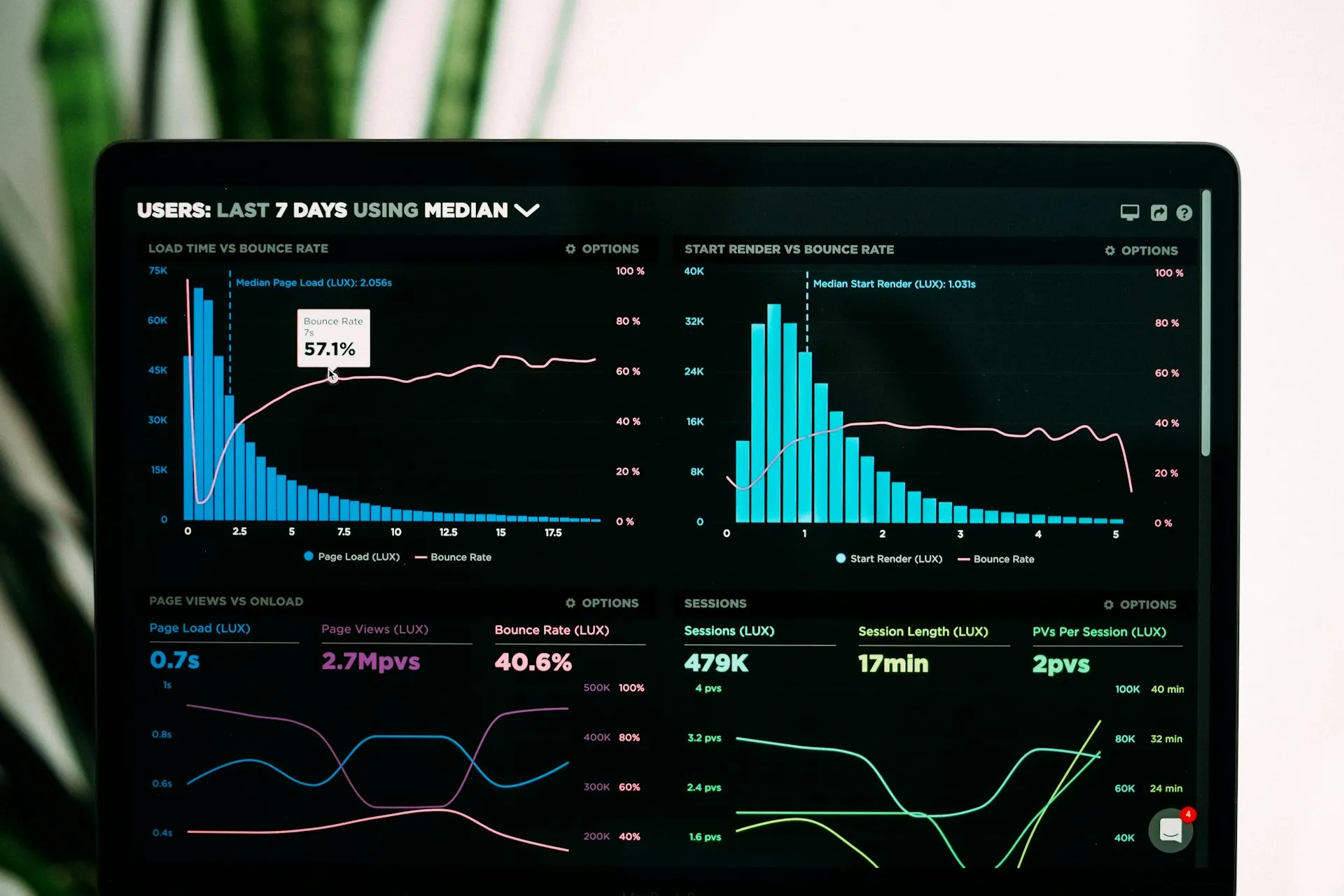
Search engines increasingly prioritize user experience when determining rankings. A fast website is easier to crawl, index, and understand. When pages load quickly, search engine bots can process more content in less time, improving overall indexing efficiency.
Google’s Core Web Vitals have made performance measurable in ways that directly affect search visibility. Metrics like Largest Contentful Paint (LCP), Interaction to Next Paint (INP), and Cumulative Layout Shift (CLS) are now critical indicators of page quality.
A slow website often struggles with these metrics, which can lead to reduced visibility even if the content is strong and relevant.
Improved Crawl Efficiency and Indexing
One of the hidden SEO benefits of fast websites is improved crawl efficiency. Search engines allocate a limited crawl budget to each website. If your pages load slowly, fewer pages may be crawled and indexed over time.

Faster websites allow search engines to crawl more pages in the same amount of time. This is especially important for large websites with blogs, product catalogs, or frequently updated content.
Efficient crawling also ensures that new content is discovered and indexed faster, which is crucial for competitive industries where timing matters.
Better User Experience Signals
Search engines do not only evaluate technical factors—they also measure user behavior. If users quickly leave a website due to slow loading times, it sends a negative signal about content quality.


Fast websites improve engagement metrics such as time on page, bounce rate, and session depth. When users can navigate smoothly, they are more likely to explore additional pages and interact with content.
These behavioral signals indirectly influence SEO performance by indicating that the website provides value to users.
Mobile-First Performance Advantage
In a mobile-first world, performance optimization becomes even more critical. Mobile users often deal with slower networks and less powerful devices, making speed a key factor in retention.
A fast mobile experience not only improves usability but also increases the likelihood of ranking higher in mobile search results. Since most searches now originate from mobile devices, this advantage is significant.
Optimizing images, reducing JavaScript execution, and using modern frameworks like Astro or Next.js can dramatically improve mobile performance.
Reduced Bounce Rates and Higher Conversions
One of the most overlooked SEO benefits of fast websites is the impact on bounce rate. When users experience delays, they are more likely to leave before interacting with content.
A fast website keeps users engaged longer, which increases the chance of conversion. Whether the goal is generating leads, selling products, or encouraging sign-ups, speed directly influences business outcomes.
Higher engagement signals also reinforce SEO performance, creating a positive feedback loop between user experience and search visibility.
Competitive Advantage in Search Rankings
In competitive industries, many websites may have similar content quality and backlink profiles. In such cases, performance becomes a deciding factor in rankings.
A faster website often outranks slower competitors simply because it delivers a better user experience. This makes performance optimization a powerful competitive advantage that is often underestimated.
Businesses that invest in speed early gain long-term SEO benefits that are difficult for competitors to replicate quickly.
Conclusion
Website speed is no longer just a technical optimization—it is a strategic SEO advantage. Faster websites improve crawl efficiency, user engagement, mobile performance, and ultimately search rankings.
Is Your Website Fast Enough?
We help businesses evaluate and improve website performance for better SEO and conversions.
Get a Free Performance Review