Why Static and Hybrid Websites Are Replacing Traditional WordPress Setups
For years, WordPress has been the default choice for building business websites. It’s familiar, widely supported, and easy to set up. However, as user expectations and performance standards evolve, many developers and businesses are moving toward static and hybrid architectures.
This shift is not about replacing WordPress entirely—it’s about solving its limitations in performance, scalability, and modern development workflows.
The Limitations of Traditional WordPress Setups
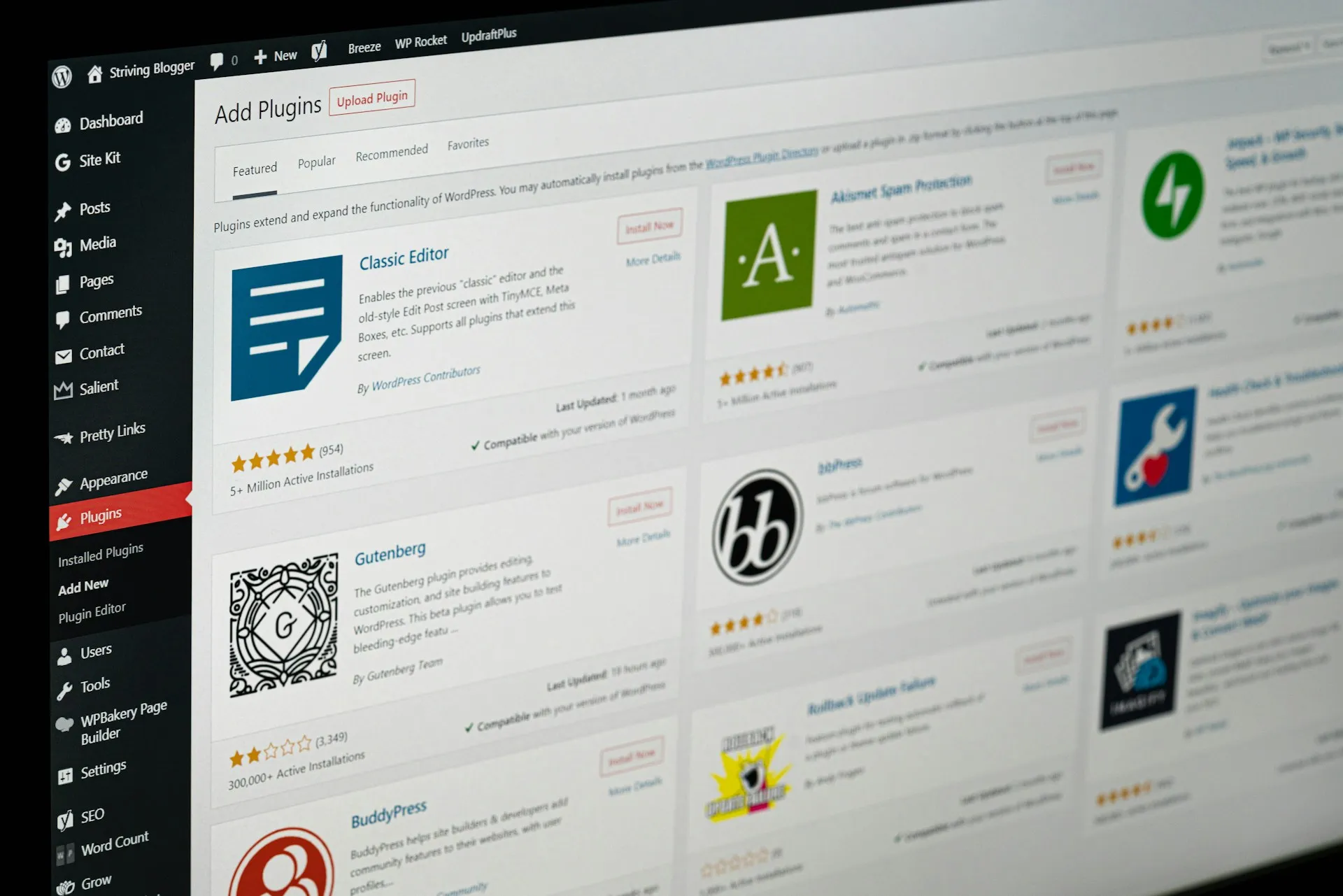
Traditional WordPress websites are typically built as monolithic systems. The frontend, backend, database, and rendering logic are tightly connected, which makes them flexible but also heavier to run.
As websites grow, this architecture often leads to performance issues. Every page request may require database queries, PHP execution, plugin processing, and theme rendering before content is delivered to the user.
Over time, adding plugins for SEO, caching, forms, security, and page builders can significantly slow down the system. Even well-built WordPress sites can become bloated without careful optimization.
Why Performance Becomes a Problem at Scale
Performance issues in WordPress are often not visible at the beginning. Small websites can run smoothly, but as content, plugins, and traffic increase, response times tend to degrade.
Shared hosting environments further amplify this issue. Limited server resources mean slower response times during traffic spikes, which directly impacts user experience and SEO performance.
Additionally, frontend-heavy page builders often generate unnecessary HTML and scripts, increasing page size and reducing loading speed.
What Static and Hybrid Websites Do Differently
Static websites generate pages ahead of time instead of building them on every request. This means users receive pre-rendered HTML files served instantly through a CDN.
Hybrid websites combine static generation with dynamic capabilities. This allows developers to pre-render most pages while still supporting dynamic features like forms, dashboards, or personalized content.
Frameworks like Astro and Next.js have popularized this approach by making it easier to mix static and dynamic rendering based on page needs.
The Role of Modern Frontend Frameworks
Modern frameworks are designed with performance as a priority. Astro, for example, sends almost zero JavaScript by default, making it extremely fast for content-heavy websites.
Next.js provides flexibility by supporting static generation, server-side rendering, and incremental static regeneration. This makes it suitable for both marketing sites and complex applications.
These frameworks allow developers to optimize each page individually instead of applying a one-size-fits-all approach.
Key Advantages Over Traditional WordPress
One of the biggest advantages of static and hybrid websites is performance. Since pages are pre-built or optimized at build time, they load significantly faster than dynamically rendered WordPress pages.
Security is another major benefit. Static sites have a reduced attack surface because there is no direct database or server-side execution exposed to users.
Scalability is also improved. Static files served through CDNs can handle massive traffic without requiring expensive server upgrades or complex caching setups.
Maintenance and Developer Experience
Maintaining modern architectures is often simpler in the long run. Instead of managing plugins and frequent updates, developers work with modular components and version-controlled content systems.
Content can be managed through headless CMS platforms, allowing non-technical users to update websites without touching the codebase.
This separation of concerns leads to cleaner, more predictable development workflows.
Why Businesses Are Making the Switch
Businesses are increasingly prioritizing performance, SEO, and user experience. Faster websites lead to higher conversions, better search rankings, and improved customer satisfaction.
At the same time, the cost of maintaining complex WordPress setups continues to grow as performance optimization becomes more difficult at scale.
Static and hybrid architectures offer a more sustainable long-term solution that aligns with modern web standards.
Conclusion
The shift from traditional WordPress setups to static and hybrid architectures is driven by real-world performance and scalability needs. While WordPress still has its place, modern websites increasingly benefit from faster, more flexible systems.
Is Your Website Fast Enough?
We help businesses evaluate and improve website performance for better SEO and conversions.
Get a Free Performance Review