
How to Redesign an Outdated Website Without Losing SEO Rankings
Redesigning a website is often necessary for improving performance, modernizing design, and enhancing user experience. However, one of the biggest concerns businesses face during a redesign is losing SEO rankings and organic traffic.
A poorly executed redesign can lead to broken URLs, lost backlinks, indexing issues, and ranking drops. The good news is that with the right strategy, you can modernize a website without sacrificing SEO performancecompletely.
Understanding Why SEO Drops Happen During Redesigns
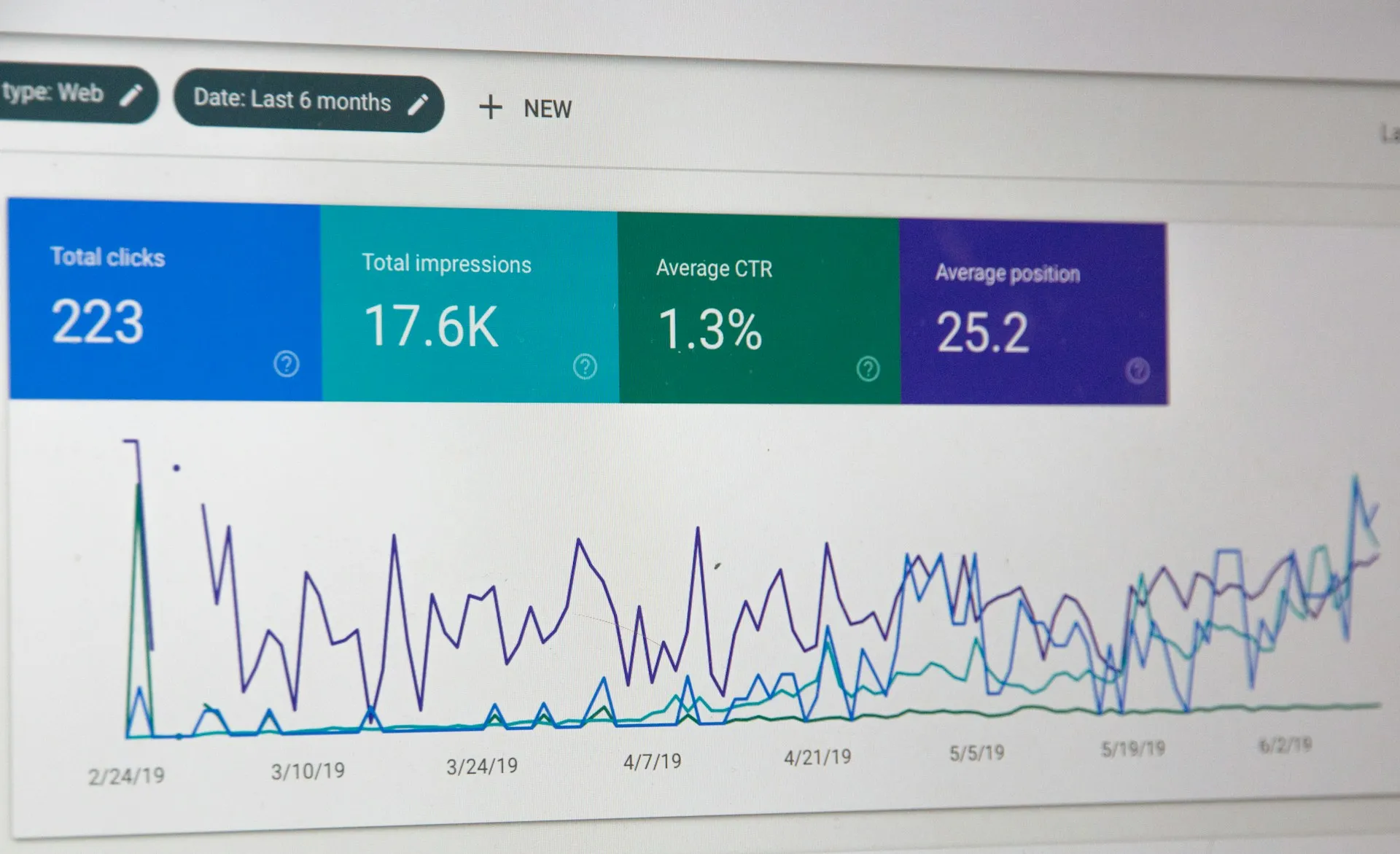
SEO losses during redesigns usually happen due to structural changes. When URLs are changed without proper redirects, search engines may treat pages as new or missing. This can lead to a loss of ranking authority that took years to build.
Another common issue is content removal or restructuring. If important pages are deleted or significantly altered, search engines may reduce visibility for those topics.
Technical changes such as slower performance, broken internal links, or missing metadata can also negatively impact SEO after a redesign.
Planning a Safe Redesign Strategy
The first step in any redesign is planning. Before making visual or structural changes, it is important to audit the existing website. Identify pages that bring traffic, backlinks, and conversions.
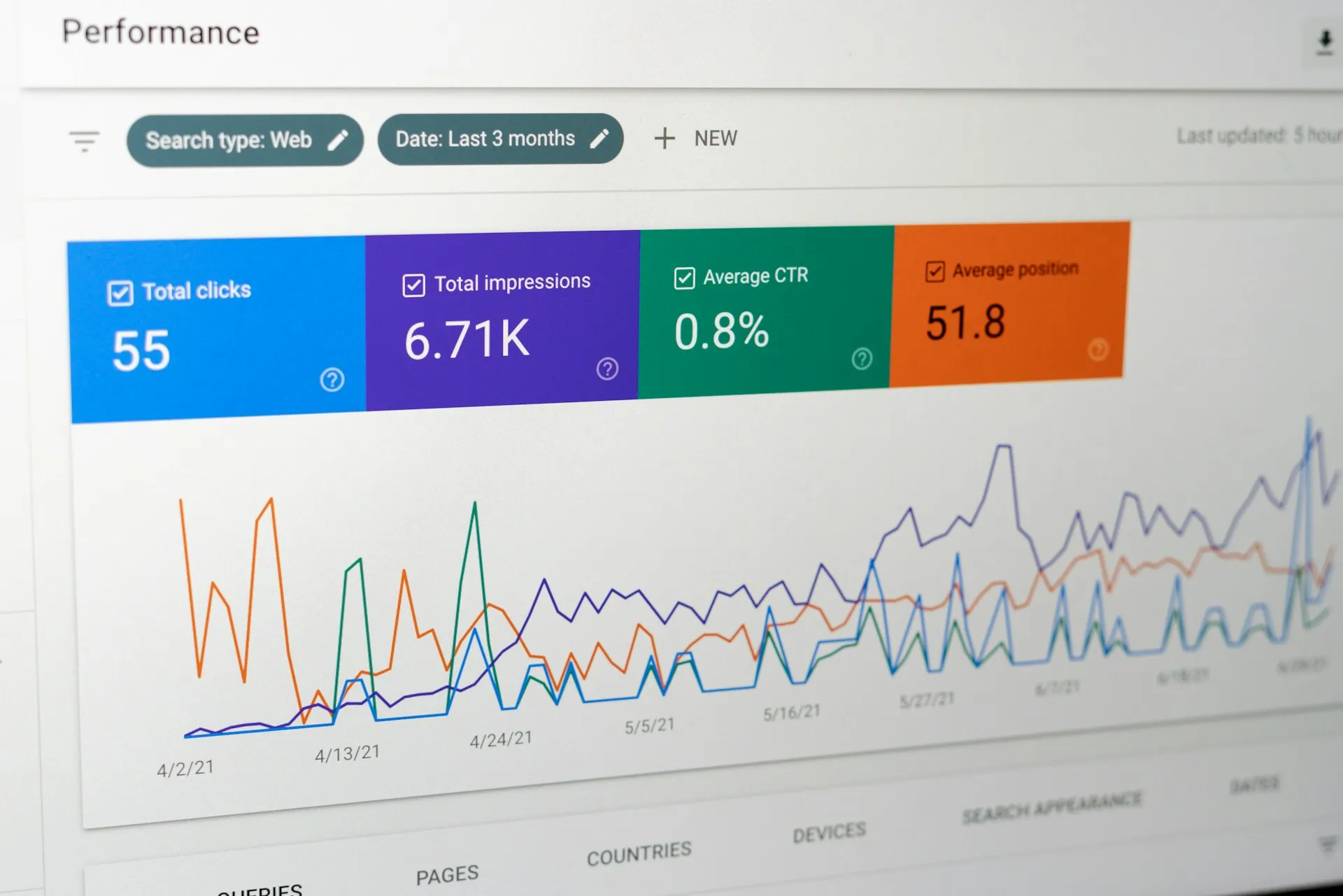
Once key pages are identified, create a mapping strategy that ensures old URLs are properly redirected to their new equivalents. This is usually done using 301 redirects, which signal to search engines that a page has permanently moved.
Content should also be preserved or improved rather than removed. If certain pages are outdated, they should be updated instead of deleted whenever possible.
Preserving SEO During Technical Changes
Modern redesigns often involve switching frameworks, CMS platforms, or hosting providers. While these changes improve performance and scalability, they must be handled carefully to avoid SEO disruption.
One of the most important steps is maintaining URL structure consistency. If URLs must change, proper redirect rules should be implemented to preserve link equity.
Metadata such as title tags, meta descriptions, and structured data should also be carried over to the new website. These elements help search engines understand page context and ranking relevance.
Another critical factor is site speed. A redesign should ideally improve performance, not degrade it. Faster loading times can positively impact SEO rankings, especially under Google’s Core Web Vitals system.
Testing Before Launch
Before launching a redesigned website, thorough testing is essential. This includes checking all internal links, verifying redirects, and ensuring that pages are properly indexed.
Tools like Google Search Console can help monitor indexing status and detect potential issues early. It is also important to test mobile responsiveness and performance across different devices.
A staging environment should always be used before going live. This allows teams to identify and fix SEO-related issues without affecting the production site.
Post-Launch SEO Monitoring
After the redesigned website goes live, monitoring is critical. Rankings may fluctuate slightly at first, but significant drops indicate issues that need immediate attention.
Search engine indexing should be reviewed to ensure all important pages are being crawled correctly. Any broken links or redirect loops should be fixed quickly.
Traffic patterns should also be monitored to identify any unexpected drops in organic performance. Early detection helps minimize long-term SEO damage.
Conclusion
Redesigning a website without losing SEO rankings is absolutely possible with careful planning, proper redirects, and attention to technical details. The key is to treat SEO as a core part of the redesign process rather than an afterthought.
Is Your Website Fast Enough?
We help businesses evaluate and improve website performance for better SEO and conversions.
Get a Free Performance Review